
"Typica introduction"
2000 article(s) found
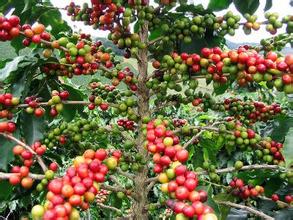
A brief understanding of the varieties of coffee trees, a detailed analysis of the classification of coffee trees.
Different varieties of coffee beans have different tastes, but even the same varieties of coffee trees have their own unique flavor due to the influence of different soil and climate. 1. Arabica Coffee Tree (coffeaarabica) originated from Arabica Coffee Tree in Ethiopia, which accounts for 70% of the world's coffee bean production. The world-famous Lanshan Gaffin and Mo

A brief introduction to the treatment method of grinding degree and baking degree of Katim boutique coffee beans with obvious fruit flavor
Not to mention in China, even in the whole of Asia, Yunnan's beans are very excellent. As for cat shit, Manning and so on, it cannot be compared with Tibica in terms of coffee beans alone. These are the basic varieties in Yunnan. Generally speaking, they all belong to Tibica and the later varieties under Arabica, which is different from Robusta in Hainan. As for quality. Suggestion

Flavor description of Brazilian Yellow bourbon Coffee Bean introduction to the taste of varieties produced by grinding scale
Brazil yellow bourbon coffee bean flavor description grinding scale production area varieties taste introduction bourbon species, native to the Indian Ocean Bourbon Island (now known as Reunion Island), is the second species of Typica mutation, and Ironka belongs to the oldest existing coffee variety, the green fruit will show bright red when ripe, while the yellow bourbon species is derived from the cross between bourbon species and other varieties. Because of its output

Introduction of coffee beans and some boutique coffee in the main producing areas of coffee beans in the world (4)
Introduction of coffee beans and some boutique coffee in the main coffee producing areas of the world: Asia and Arabian Peninsula

Analysis of Coffee varieties and Variety characteristics where should Yunnan Katim coffee beans be planted?
Professional coffee knowledge exchange more coffee bean information please follow the coffee workshop (Wechat official account cafe_style) 1. Varieties and characteristics of coffee: coffee tree is a shrub, botanically it belongs to Rubiaceae family (Rubiaceae) of the genus Coffea, with more than 6000 species belonging to more than 500 genera. Although 25 to 100 of them have been questioned whether they should be included in the Coffea. Most of the equipment

Introduction of Yongas Snow vein Manor in the northeast of La Paz
The goal of planting coffee in the whole Takesi manor is 200ha, but only 13ha is planted and harvested very little Typica species, and the annual yield is only 120bags. This is not only fine agriculture, but also a farming model that respects nature. Takesi is the name of the local aborigines, the place name and the snow water from the mountains, also known as Takesi. After the publication of the CoE final in 2009, Takesi is no longer without.

A Brief Introduction to the Treatment Method of Grindness and Roast Degree of Fine Coffee Beans with Fruit Flavor
Coffee is a short-day plant. Coffee has the characteristics of multiple flowering and concentrated flowering. Coffea arabica is planted in yunnan in 27 months of florescence and 35 months of full florescence. The flowering of coffee is greatly affected by climate, especially rainfall and temperature. Coffee flowers have a short life span of only 23 days. Arabica coffee generally begins at 35 a.m. and blooms at 57 a.m. Coffee fruits take longer to develop. small

Ecuador coffee rumba producing area Zumba information introduction Ecuador coffee expensive how to buy
Professional coffee knowledge exchange more coffee bean information please follow the coffee workshop (Wechat official account cafe_style) Ecuador Lomba Aklin Farmers Association Ecuador Zumba ACRIM national (Ecuador) producing area Zumba, Zamora-Chinchipe 1300-1900 meters above sea level planted varieties Tibica (Typica), Kaddura (Caturra) and bourbon (B)

Grinding scale of Yunnan Tieka Coffee Bean A brief introduction to the planting of varieties with taste by manor treatment
Typica: the oldest native variety in Ethiopia and southeastern Sudan. All Arabikas are derived from Tibika. The flavor is elegant, but the physique is weak, the disease resistance is poor, the fruit yield is less. Excellent manor beans such as the Blue Mountains of Jamaica, Manning of Sumatra and Kona of Hawaii all belong to Tibika. The top leaf of Tiebika is red copper, which is called red top.

Introduction to the treatment method of planting and Development History of Peruvian single Bean Flavor description
For the exchange of professional baristas, please pay attention to the coffee workshop (Wechat official account cafe_style) Peru Peruvian population: 30475000 except for the main areas listed below, the output quality of a few other producing areas is low and not up to the recognized level. Some people may argue that Peru can cope well with warming climate change and that there is a lot of land at high elevations.
Introduction to the characteristics of varieties in Yunnan Tieka Coffee Bean Flavor description
Yunnan Tieka coffee beans are mainly planted in Dehong Lincang and Pu'er Banna in western Yunnan. Robusta was the main coffee introduced by missionaries in the 19th century, and then they were no longer planted on a large scale. In the 1950s, experts assisted by the Soviet Union put two mainstream Arabica varieties in the world: typica and Bourbon bourb.

Introduction to Bali Coffee Bean Farm in Bali, Indonesia
Sunda Hejo processing plant a total of 29 beans, of which only two coffee is the traditional wet planing method, a large part of the treatment of these 29 beans is Costa Rican processing technology. For the varieties planted by cooperatives, various advanced treatment methods are adopted: finer control of each link of whole water washing, comparative experiment of dry fermentation and wet fermentation, and strict control of fermentation time.

Honey-treated Indonesian coffee Lasuna Vahana Manor coffee flavor and taste characteristics of boutique coffee
After entering the 1960s, there are still many large-scale anti-China and anti-Chinese riots in Indonesia, such as the anti-Chinese riots that spread from West Java to Central and East Java from March to May 1963, the all-Indonesian anti-Chinese wave in 1965-1967, the anti-Chinese riots caused by the anti-Japanese movement in 1974, the anti-China riots caused by student demonstrations in Jakarta in 1978, and the anti-Chinese riots in Java in mid-November 1980.

A brief introduction to the description of the flavor, taste and aroma characteristics of Hongding coffee iron card boutique coffee beans
The average temperature of Lujiangba in Baoshan is 21.5℃, and the highest is 40.4 ℃, which is basically frost-free all the year round. It is recognized as the best producing area of small-grain coffee. The small-grain coffee cultivated here is famous at home and abroad for its strong but not bitter, fragrant but not strong, well-proportioned small noodles, mellow and fruity. International Coffee Organization tasting experts evaluated Yunnan coffee after inspecting Yunnan coffee planting and primary processing bases.

Introduction to the varieties of Indonesian Coffee beans
Professional coffee knowledge exchange more coffee bean information please follow the coffee workshop (Wechat official account cafe_style) about coffee in Indonesia coffee first spread from Africa to Ethiopia to the Arabian Peninsula Yemen officially become a cash crop, around 1600 to India, and in 1658 planted in Ceylon, has not had a good harvest. It wasn't until 1696 that the Dutch were in Mara, India.

A brief introduction to the planting situation, geographical location, climate and altitude of red-top coffee iron card fine coffee beans
Yunnan small grain coffee is a 34-year-old fruiting tree. Coffee is a short-day plant. Coffee has the characteristics of multiple flowering and concentrated florescence. The florescence of small seed coffee in Yunnan is 27 months, and the flowering period is 35 months. The flowering of coffee is greatly affected by climate, especially rainfall and temperature. Coffee flowers have a short life span of only 23 days. Small seed coffee usually opens at 35: 00 in the morning and blooms at 57: 00

What are the characteristics of the three major categories of Jamaican blue mountain coffee beans
Professional coffee knowledge exchange more coffee bean information please follow the coffee workshop (Wechat official account cafe_style) front street-coffee three varieties, Jamaica Blue Mountain Coffee introduction Coffee varieties according to biology, it can be divided into Arabica, Robusta and Liberica. The main drinking variety in the world is Allah.

A brief introduction to the treatment method of grinding degree and baking degree of tin card fine coffee beans with excellent performance
Tibica coffee, native to Ethiopia and southeastern Sudan, is the most widely cultivated variety of coffee in the Western Hemisphere. The plant is stronger, but not light-tolerant, and the yield is higher in Hawaii. The top leaf of Tibika is red and copper, which is called red top coffee. Bourbon coffee is a variety of small-grain coffee second only to Tibica. At first, the main branch and the trunk grew upward at 45 degrees, drooping with the fruit load, and lateral branches.

Panama Coffee Estate Flavor Introduction Casa Luis Estate
panama boquete casa ruiz S.A. [Chinese Name] Caesar, Panama Borque Specialty District. Louis [cup test flavor] clean and fresh fruit flavor, elegant charming floral fragrance, citrus slightly sour, bright and delicate taste, full fruit sweet fragrance. [Country] Panama [Region] Borquette [Manor] CASA RUIZ S.A. Caesar. Lewis [processing]

Introduction to the Flavor description of Coffee Variety cultivation in Meijing Manor in Guatemala
For the exchange of professional baristas, please pay attention to the coffee workshop (Wechat official account cafe_style) Guatemala Fairview Manor Guatemala La Hermosa. Since the beginning of 1990, the Guardia Coffee Bureau Ana Caf has been actively introducing and classifying the various producing areas of Guardia according to the flavor, climate, soil and height of the coffee.